How Do Different European Countries Celebrate Christmas?
Discover Europe’s Most Magical Christmas Traditions & Festive Secrets
While we cherish our familiar traditions, the continent is brimming with ancient rituals, mythical gift-givers, and culinary delights that capture the true wonder of the season. From the snowy peaks of the Alps to the candlelit processions of the North, we’ve handpicked 10 unique ways our European neighbours celebrate the most wonderful time of the year. Get ready to explore a world where witches bring candy, gnomes guard the home, and the magic of Christmas takes on a whole new meaning.
Sweden - The Festival of Light
The Festive Atmosphere A cosy, candlelit season focused on bringing warmth and light to the deep, dark winter,
known as "mysig."
When & How They Celebrate
- Main Event: Christmas Eve (Julafton), December 24th, is the main day for celebrating.
- Signature Day: St. Lucia's Day, celebrated on December 13th, features magical processions with candle crowns and singing.
Who Delivers the Gifts?
- The Giver: "Jultomten"(The Christmas Gnome), who often knocks on the front door in person to deliver sacks of gifts.
- Delivery Time: Presents are handed out on Christmas Eve evening after dinner.
The Festive Feast
- Main Dish: The "Julbord," a massive buffet featuring Christmas ham (Julskinka), meatballs, and pickled herring.
- Must-Try Sweet: Saffron buns shaped like curled cats, called "Lussekatter."
Uniquely Swedish Traditions
- The Star Feature: Watching the 1958 Disney special "Donald Duck and His Friends Wish You a Merry Christmas" at exactly 3 PM on Christmas Eve is almost mandatory for the whole nation.
- Unique Decoration: The "Julbock," a Yule goat made of straw bound with red ribbons.
Saying "Merry Christmas"
- The Phrase: "God Jul!"
- Pronunciation Tip: (Goo Yool)

Poland - The First Star
The Festive Atmosphere Christmas is the most important holiday of the year, characterised by a deeply religious, solemn, and mystical atmosphere focused entirely on family reunification.
When & How They Celebrate
- Main Event: The "Wigilia" (Vigil Supper) on Christmas Eve, December 24th, is the heart of the celebration.
- Signature Day: The supper traditionally begins only when the first star ("Gwiazdka") is spotted in the night sky, symbolising the Star of Bethlehem.
Who Delivers the Gifts?
- The Giver: The "Star Man" (Gwiazdor) or the Baby Jesus, depending on the region.
- Delivery Time: Gifts are opened on Christmas Eve, immediately after the Wigilia supper is finished.
The Festive Feast
- Main Dish: A ritual meal of 12 meatless dishes (representing the 12 Apostles), featuring fried or jellied Carp, beetroot soup (borscht), and pierogi.
- Must-Try Sweet: "Makowiec," a traditional cake roll filled with poppy seeds and dried fruits.
Uniquely Polish Traditions
- The Star Feature: Sharing the "Opłatek" (Christmas wafer). Before eating, families break off pieces of each other’s wafers and exchange good wishes for the coming year.
- Unique Decoration: The "Podłaźniczka." An ancient tradition predating the modern Christmas tree, where the top of a fir or spruce tree hangs upside down from the ceiling over the table, decorated with nuts, apples, and straw stars.
Saying "Merry Christmas"
- The Phrase: "Wesołych Świąt!"
- Pronunciation Tip: (Veh-so-wikh Sh-viont)

Germany - The Home of Christmas Markets
The Festive Atmosphere The season is defined by "Gemütlichkeit" (cosiness). The weeks leading up to Christmas are lively and social with outdoor markets, while the holiday itself is a quiet, private time reserved strictly for family.
When & How They Celebrate
- Main Event: The main family gathering and exchange of gifts happens on Christmas Eve (Heiligabend), December 24th.
- Signature Day: St. Nicholas Day on December 6th is a huge event for children, who clean their boots and leave them outside the door to be filled with chocolates and oranges.
Who Delivers the Gifts?
- The Giver: The "Christkind" (an angelic Christ Child figure) or the "Weihnachtsmann" (Father Christmas), depending on the region.
- Delivery Time: Gifts are exchanged on Christmas Eve evening, often after a little bell rings to signal that the "Christkind" has left the room.
The Festive Feast
- Main Dish: The traditional Christmas Eve meal is often simple, like potato salad with sausages, while Christmas Day features a rich Roast Goose or Duck.
- Must-Try Sweet: "Stollen," a dense, cake-like fruit bread filled with nuts, spices, and dried fruit, heavily coated in powdered sugar.
Uniquely German Traditions
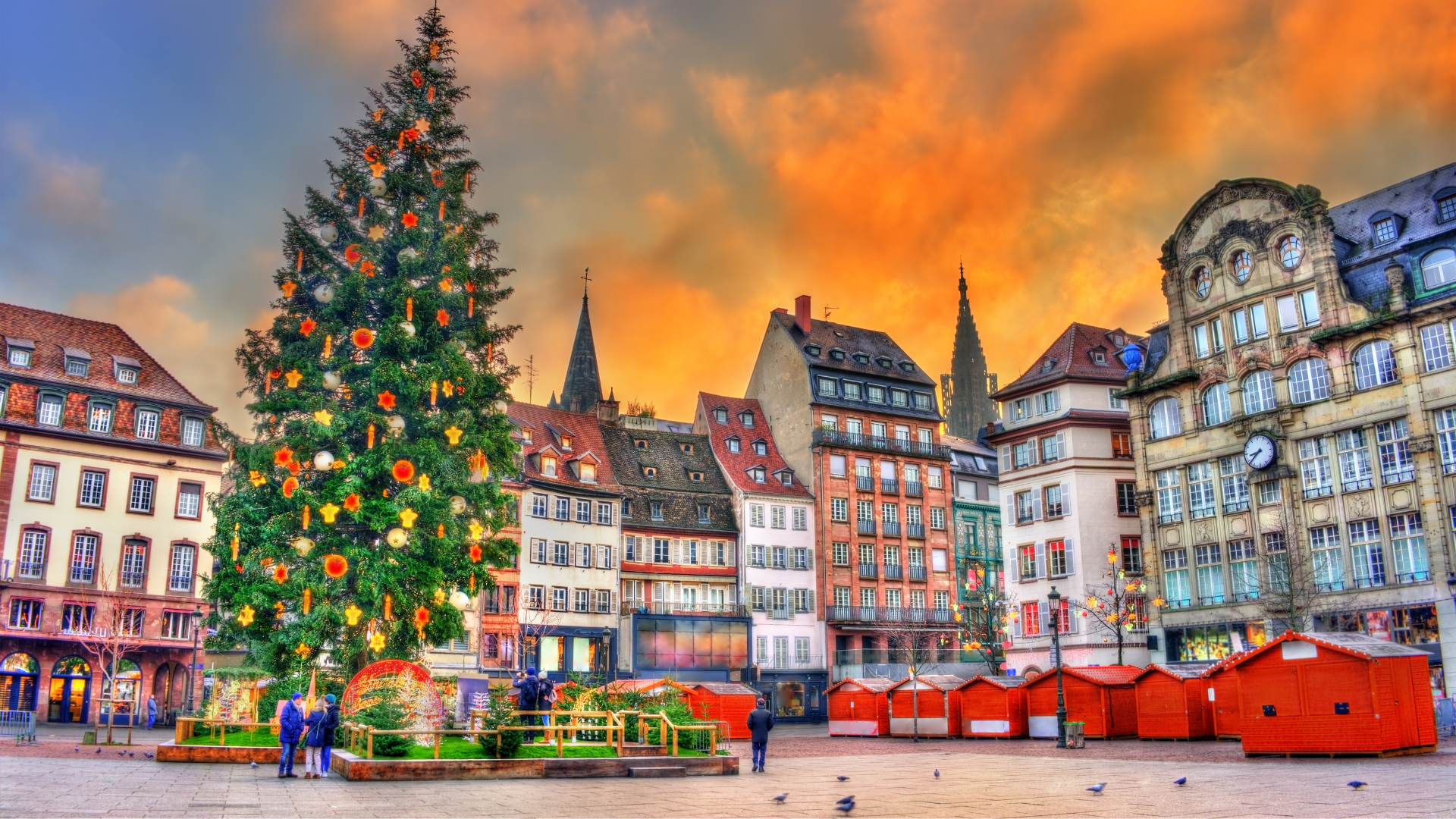
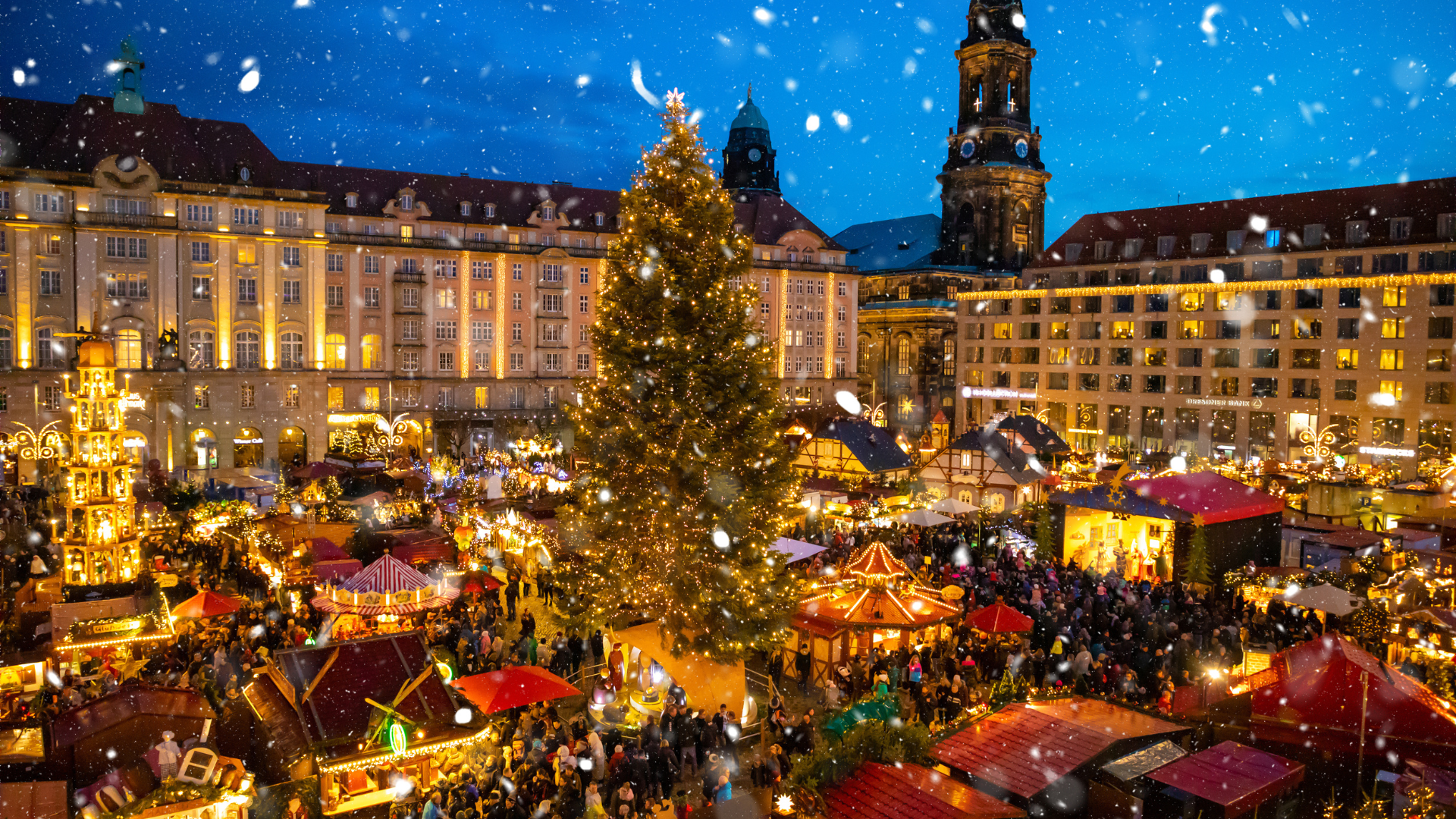
- The Star Feature: The Christmas Markets (Weihnachtsmärkte). Almost every town square fills with wooden huts selling crafts, ornaments, and food, serving as the social hub of the season.
- Unique Decoration: The "Weihnachtspyramide" (Christmas Pyramid). A traditional multi-tiered wooden carousel from the Ore Mountains. Heat from candles at the base turns a propeller on top, spinning platforms filled with carved nativity figures or angels.
Saying "Merry Christmas"
- The Phrase: "Fröhliche Weihnachten!"
- Pronunciation Tip: (Fro-li-she Vy-nakh-ten)

Czech Republic - The Magic of Family
The Festive Atmosphere The Czech Christmas is steeped in superstition, fortune-telling, and magic. It is a quiet, family-centred holiday where ancient folk customs are just as important as religious ones.
When & How They Celebrate
- Main Event: The celebrations peak on Christmas Eve, known as "Štědrý den" (Generous Day), December 24th.
- Signature Day: On the evening of December 5th, St. Nicholas (Mikuláš) visits children accompanied by an Angel and a Devil, to reward good behaviour and punish the bad.
Who Delivers the Gifts?
- The Giver: "Ježíšek" (The Baby Jesus). Unlike Santa, he has no specific physical image and is never seen, adding to the mystery for children.
- Delivery Time: "Ježíšek" flies into the room through the window during the Christmas Eve dinner. A ringing bell signals that he has left and presents are ready to be opened.
The Festive Feast
- Main Dish: Fried Carp served with a cold potato salad. Traditionally, some families buy the carp alive and keep it in the bathtub for a few days before Christmas.
- Must-Try Sweet: "Vánočka," a braided sweet bread with raisins and almonds, symbolising the Baby Jesus wrapped in cloth.
- One extra Sweet: "Vánoční cukroví" (Christmas cookies). Families take great pride in baking wide varieties of tiny, intricate cookies, such as vanilla crescents and beehives, weeks in advance.
Uniquely Czech Traditions
- The Star Feature: The Golden Pig. Children are told that if they fast all day until dinner on Christmas Eve, they will see a vision of a "golden pig" (zlaté prasátko) on the wall, which brings good luck.
- Unique Decoration: Walnut Shell Boats. Small candles are placed in empty walnut shells and floated in a bowl of water. The movement of the boats is used to predict the future and whether family members will travel or stay home.
Saying "Merry Christmas"
- The Phrase: "Veselé Vánoce!"
- Pronunciation Tip: (Veh-seh-leh Vah-no-tse)

Switzerland - An Alpine Christmas
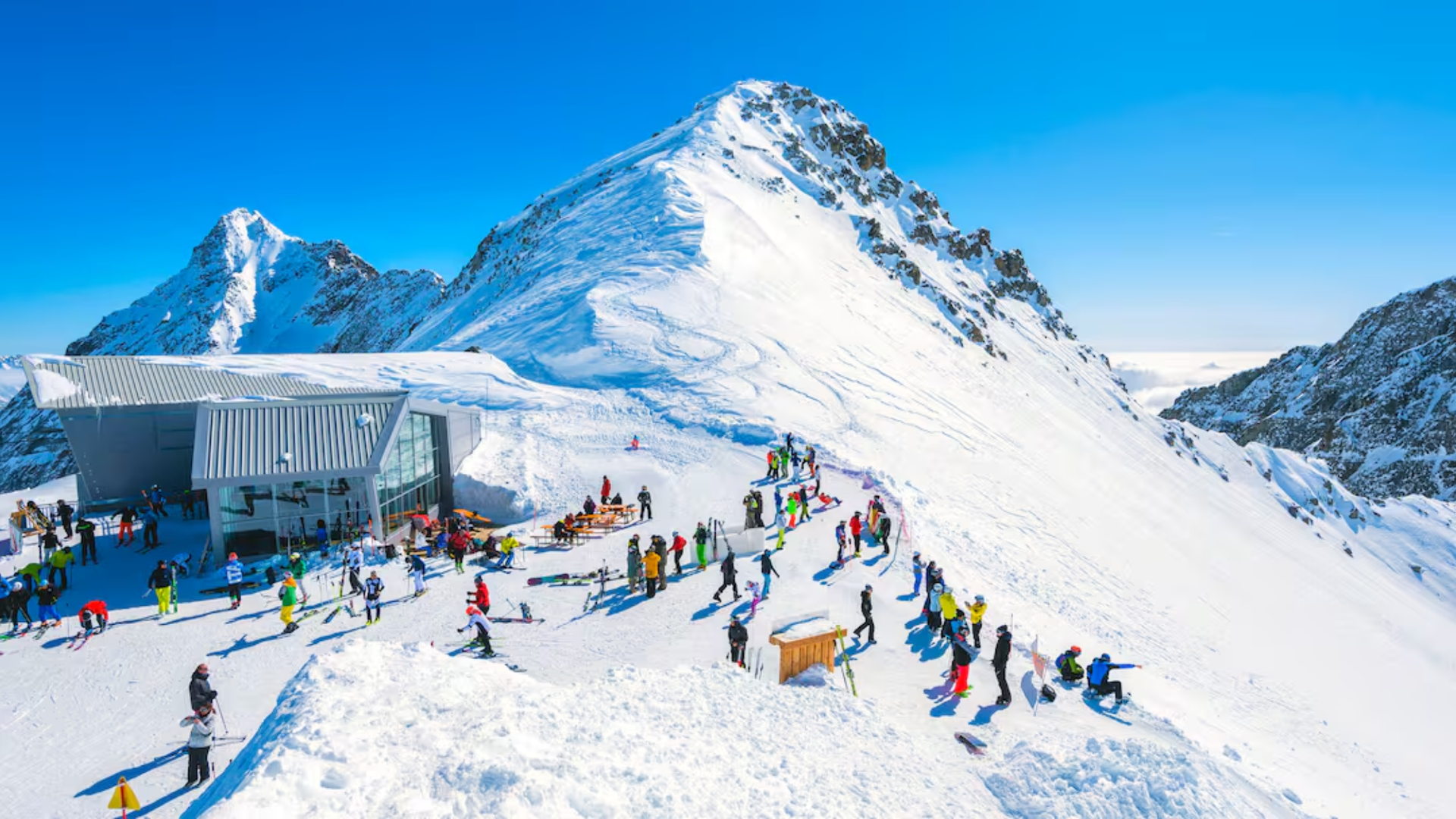
The Festive Atmosphere, Swiss Christmas, is a winter wonderland, often snowy and picturesque. The atmosphere is elegant and traditional, mixing German, French, and Italian customs, with a strong focus on winter sports and cosy evenings by the fire.
When & How They Celebrate
- Main Event: Christmas Eve (Heiliger Abend) is the time for the main family gathering and exchanging gifts.
- Signature Day: Advent is taken very seriously. In many villages, real houses become "living Advent calendars" (Adventsfenster), where a different window is decorated and revealed each night of December.
Who Delivers the Gifts?
- The Giver: In the German-speaking parts, it is the "Christkind" (Christ Child). In the French areas, it is "Père Noël."
- Delivery Time: Gifts traditionally appear on Christmas Eve evening.
The Festive Feast
- Main Dish: "Fondue Chinoise" (Meat Fondue). This is the most popular Christmas Eve meal—a hot pot of broth sits in the centre of the table where family members cook thin slices of meat together. It is social and festive.
- Must-Try Sweet: "Mailänderli," traditional buttery lemon biscuits that are the absolute staple of Swiss holiday baking.
Uniquely Swiss Traditions
- The Star Feature: Samichlaus and Schmutzli. The Swiss St. Nicholas visits on December 6th, but he doesn't come alone. He is accompanied by a dark, bearded helper named "Schmutzli," creating a stark contrast of light and dark figures.
- Unique Decoration: "Strohsterne" (Straw Stars). Reflecting the rustic Alpine heritage, Swiss trees are often decorated simply with intricate handmade straw stars and, unlike in Ireland, they are traditionally lit with real beeswax candles rather than electric lights.
Saying "Merry Christmas"
- The Phrase: "Schöni Wiehnachte!" (Swiss German)
- Pronunciation Tip: (Shuh-nee Vee-nakh-te)

Hungary - The Angel's Visit
The Festive Atmosphere of Hungarian Christmas is intimate, private, and deeply religious. The emphasis is on the "Holy Evening," where the tree is traditionally not seen by children until the very last moment, creating a magical transformation of the home.
When & How They Celebrate
- Main Event: "Szenteste" (Holy Evening) on December 24th is the most important part of the holiday.
- Signature Day: St. Lucy’s Day (Luca napja) on December 13th. Unlike in Sweden, this day is traditionally associated with witches and folk magic. Families plant "Luca Wheat" in a small pot; if it grows green and tall by Christmas, it predicts a prosperous year.
Who Delivers the Gifts?
- The Giver: The "Jézuska" (Baby Jesus) or Angels. It is strictly believed by children that the Angels bring not just the gifts, but the decorated Christmas tree itself.
- Delivery Time: On Christmas Eve afternoon, children are often sent for a walk or kept in a separate room. When a bell rings, they enter to find the tree and gifts brought by the Angels.
The Festive Feast
- Main Dish: "Halászlé" (Fisherman’s Soup). A bright red, spicy river fish soup made with plenty of paprika, traditionally cooked in a cauldron. It is often followed by Stuffed Cabbage.
- Must-Try Sweet: "Bejgli," a traditional spiral roll stuffed with either poppy seeds or minced walnuts. It is the iconic pastry of the season.
Uniquely Hungarian Traditions
- The Star Feature: "Luca’s Chair" (Luca széke). Also starting on December 13th, villagers carve a wooden stool, working on it a little every day. It must be finished exactly on Christmas Eve. Legend says if you stand on it at Midnight Mass, you can spot the witches in the congregation.
- Unique Decoration: "Szaloncukor" (Parlour Candy). These are special fondant candies covered in chocolate and wrapped in shiny, colourful foil. They are not just eaten but are hung on the Christmas tree as the primary decoration.
Saying "Merry Christmas"
- The Phrase: "Boldog Karácsonyt!"
- Pronunciation Tip: (Bol-dog Kor-a-chont)

France - A Gastronomic Celebration
The Festive Atmosphere In France, Christmas is defined by style, lights, and above all, the "Art de Vivre" (the art of living). The atmosphere is sophisticated and joyful, centring almost entirely around a long, luxurious meal shared with family.
When & How They Celebrate
- Main Event: The celebration centres on "Le Réveillon", a massive, late-night feast held on December 24th, often beginning after Midnight Mass.
- Signature Day: The holiday season officially concludes on January 6th with the Epiphany, a day dedicated to eating the famous King Cake.
Who Delivers the Gifts?
- The Giver: "Père Noël" (Father Christmas).
- Delivery Time: Gifts are opened on Christmas morning. Unlike the Irish tradition of hanging stockings, French children leave their shoes ("souliers") by the fireplace to be filled with small gifts.
The Festive Feast
- Main Dish: The meal is an exercise in luxury, typically featuring courses of oysters, foie gras, snails, and a Roast Capon with chestnuts.
- Must-Try Sweet: "Bûche de Noël" (Yule Log). A sponge cake rolled, filled with buttercream, and frosted to look like a realistic log, referencing the ancient tradition of burning a wooden log in the hearth.
Uniquely French Traditions
- The Star Feature: The "Galette des Rois" (King Cake). On January 6th, families share a puff pastry cake with a hidden charm inside called a "fève." Whoever finds the charm in their slice is crowned King or Queen for the day.
- Unique Decoration: "Santons." In the Provence region, nativity scenes are populated not just by biblical figures, but by hundreds of hand-painted clay figurines representing local village people—the baker, the butcher, and the mayor—gathering around the crib.
Saying "Merry Christmas"
- The Phrase: "Joyeux Noël!"
- Pronunciation Tip: (Zhwa-yeuh No-el)

Italy - The Nativity and The Witch
The Festive Atmosphere Christmas in Italy is a loud, large, and family-heavy affair. The atmosphere is deeply religious but also incredibly festive and food-oriented, bridging the gap between the solemnity of the church and the joy of a crowded table.
When & How They Celebrate
- Main Event: The "Vigilia" (Christmas Eve) is a major family dinner, followed by Christmas Day lunch, which can last all afternoon.
- Signature Day: The holiday season extends to January 6th (Epiphany), which is almost as exciting for children as Christmas Day itself.
Who Delivers the Gifts?
- The Giver: "Babbo Natale" (Father Christmas) brings gifts on December 25th, but the more unique figure is "La Befana."
- Delivery Time: La Befana visits on the eve of Epiphany (January 5th). She is an old woman (often depicted as a friendly witch) who flies on a broomstick, leaving candy for good children and "coal" (black sugar) for the naughty ones.
The Festive Feast
- Main Dish: Christmas Eve is strictly meat-free, famously known as the "Feast of the Seven Fishes," featuring eel, cod, and calamari. Christmas Day features rich pastas like Tortellini in broth or Lasagna.
- Must-Try Sweet: "Panettone" (a tall fruit cake with candied peel) or "Pandoro" (a golden, star-shaped buttery cake). Italians are often divided into two teams regarding which one is better.
Uniquely Italian Traditions
- The Star Feature: The "Presepe" (Nativity Scene). St. Francis of Assisi created the first nativity scene in Italy, and it remains the centre of the household. In Naples, families build elaborate miniature villages featuring not just shepherds, but figures of modern politicians and celebrities.
- Unique Decoration: "Zampognari." In Rome and southern Italy, bagpipe players dressed in traditional shepherd wool cloaks come down from the mountains to play folk carols in the city squares, acting as living decorations of the season.
Saying "Merry Christmas"
- The Phrase: "Buon Natale!"
- Pronunciation Tip: (Bwon Na-tah-leh)

Portugal - The Rooster Mass
The Festive Atmosphere Portuguese Christmas is warm, communal, and centred on the concept of "Consoada" (reunion). It is a time for returning to one’s hometown to be with relatives, filled with the smell of pine and the sound of crackling fires.
When & How They Celebrate
- Main Event: The main celebration is the "Consoada" dinner on the night of December 24th.
- Signature Day: The festivities culminate in the "Missa do Galo" (Rooster Mass) at midnight on Christmas Eve. Legend says a rooster crowed only once in history—when Jesus was born.
Who Delivers the Gifts?
- The Giver: "Pai Natal" (Father Christmas) or traditionally the "Menino Jesus" (Baby Jesus).
- Delivery Time: Gifts are traditionally exchanged after midnight on Christmas Eve, once the family returns from Mass, or early on Christmas morning.
The Festive Feast
- Main Dish: "Bacalhau de Consoada." Surprisingly simple, this consists of boiled salted codfish with potatoes, cabbage, and eggs. It is a light meal before the rich desserts.
- Must-Try Sweet: "Bolo Rei" (King Cake). A wreath-shaped cake filled with crystallised fruits and nuts.
Uniquely Portuguese Traditions
- The Star Feature: The "Banquet for the Souls." In many traditional households, the table is not cleared after the Christmas Eve dinner. Instead, the food is left out and empty chairs are set to welcome the souls of deceased family members ("alminhas") to join the celebration.
- Unique Decoration: The "Presépio" (Nativity Scene). Much more than just a stable under the tree, Portuguese families often build huge, elaborate landscapes using real moss, cork bark, and hundreds of terracotta figures to depict entire villages surrounding the birth scene.
Saying "Merry Christmas"
- The Phrase: "Feliz Natal!"
- Pronunciation Tip: (Feh-leez Na-tal)

Greece - Christmas at Sea
The Festive Atmosphere Christmas in Greece is spiritual, maritime, and deeply traditional. As a nation of sailors, the sea plays a big role in the symbolism. The atmosphere is filled with music, specifically the sound of triangles and children singing carols in the streets.
When & How They Celebrate
- Main Event: December 25th is strictly a religious feast, but the holiday period lasts 12 days, ending with "Theophania" (Epiphany) on January 6th.
- Signature Day: New Year's Day (January 1st) is traditionally the main day for gift-giving, not Christmas Day.
Who Delivers the Gifts?
- The Giver: "Agios Vassilis" (Saint Basil). Unlike the Western Santa Claus, he is one of the forefathers of the Greek church, known for his kindness, and he visits on his name day.
- Delivery Time: Gifts are delivered and opened on January 1st.
The Festive Feast
- Main Dish: Traditionally, Roast Pork or Lamb, though Turkey is becoming more common. A special "Christopsomo" (Christ Bread) is baked, decorated with a dough cross and symbols of the family’s life (like boats or farm animals).
- Must-Try Sweet: "Melomakarona" (honey and walnut cookies) and "Kourabiedes" (almond shortbread covered in mountains of powdered sugar).
Uniquely Greek Traditions
- The Star Feature: "Kalanda." On Christmas Eve, New Year’s Eve, and Epiphany Eve, children go from house to house playing triangles and singing traditional folk carols (Kalanda) to bless the house.
- Unique Decoration: The "Karavaki" (Small Boat). Before Christmas trees were imported to Greece, families decorated small wooden model boats with lights to honour St. Nicholas (the patron saint of sailors) and to welcome fathers returning from the sea.
Saying "Merry Christmas"
- The Phrase: "Kala Christougenna!"
- Pronunciation Tip: (Ka-la Kris-too-ye-na)

Which European Christmas Story Will Be Yours?
From the candlelit processions of Sweden and the snowy peaks of Switzerland to the culinary feasts of France and the vibrant markets of Germany, Europe offers a festive season unlike any other. Why just read about the magic when you can step right into it? Whether you dream of a quiet, snowy escape or a cultural city break full of new traditions, the perfect holiday awaits.
Start planning your festive getaway! Let us help you turn these traditions into real memories. Call us on 021 485 1711 or email info@travelnet.ie, and our expert team will craft the perfect European Christmas escape just for you.