Ordinary on the Map, Unforgettable in Real Life
Not every place makes a good first impression.
Some destinations look quiet on the map, unremarkable in photos, and easy to overlook when compared to Europe’s better‑known cities and regions. They don’t promise instant wonder or dramatic scenery, they don’t shout for attention, in fact, they can seem so familiar that you wonder whether they’re worth the trip at all. And yet, these are often the places that surprise us the most.
Once you arrive, expectations begin to fall away. You stop searching for highlights and start noticing moments instead: the rhythm of daily life, the way people interact with their surroundings, how time feels different when nothing is urging you forward. Slowly, almost without realising it, the place begins to matter.
This is the kind of travel that doesn’t reveal itself all at once, it unfolds through small details, unplanned pauses, and experiences that don’t always fit neatly into an itinerary. By the time you leave, you understand something important: the places that felt ordinary before the trip are often the ones that stay with you longest afterward.
Europe is full of destinations like this, quiet, understated places that reward curiosity rather than expectation. These are some of them.
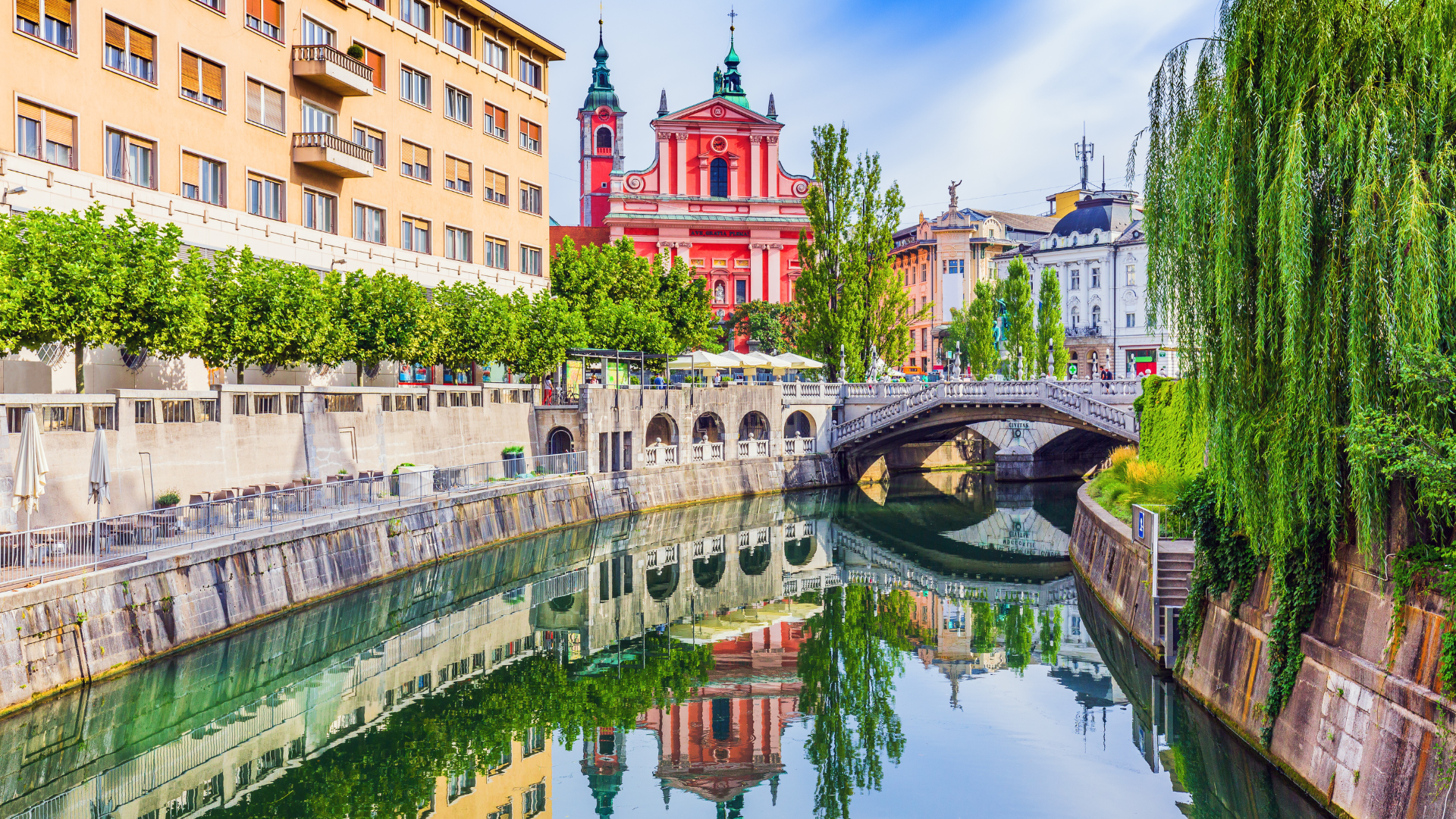
Ljubljana, Slovenia
Ljubljana is a capital city, yet it doesn’t behave like one. There is no rush in the streets, no feeling of urgency to see everything before time runs out, att first, it can feel almost too calm, as if the city is holding something back.
Then you start to notice how naturally life unfolds here. You walk everywhere without effort. The river becomes part of your day rather than a landmark, cafés fill slowly and conversations linger, green spaces appear where you don’t expect them, and the city seems designed around people rather than movement.
Ljubljana doesn’t impress with grand gestures. Instead, it quietly changes your pace, by the second day, you find yourself moving more slowly, paying closer attention, feeling more present than you did before you arrived. It is a city that doesn’t demand anything from you, and somehow that becomes its greatest strength.
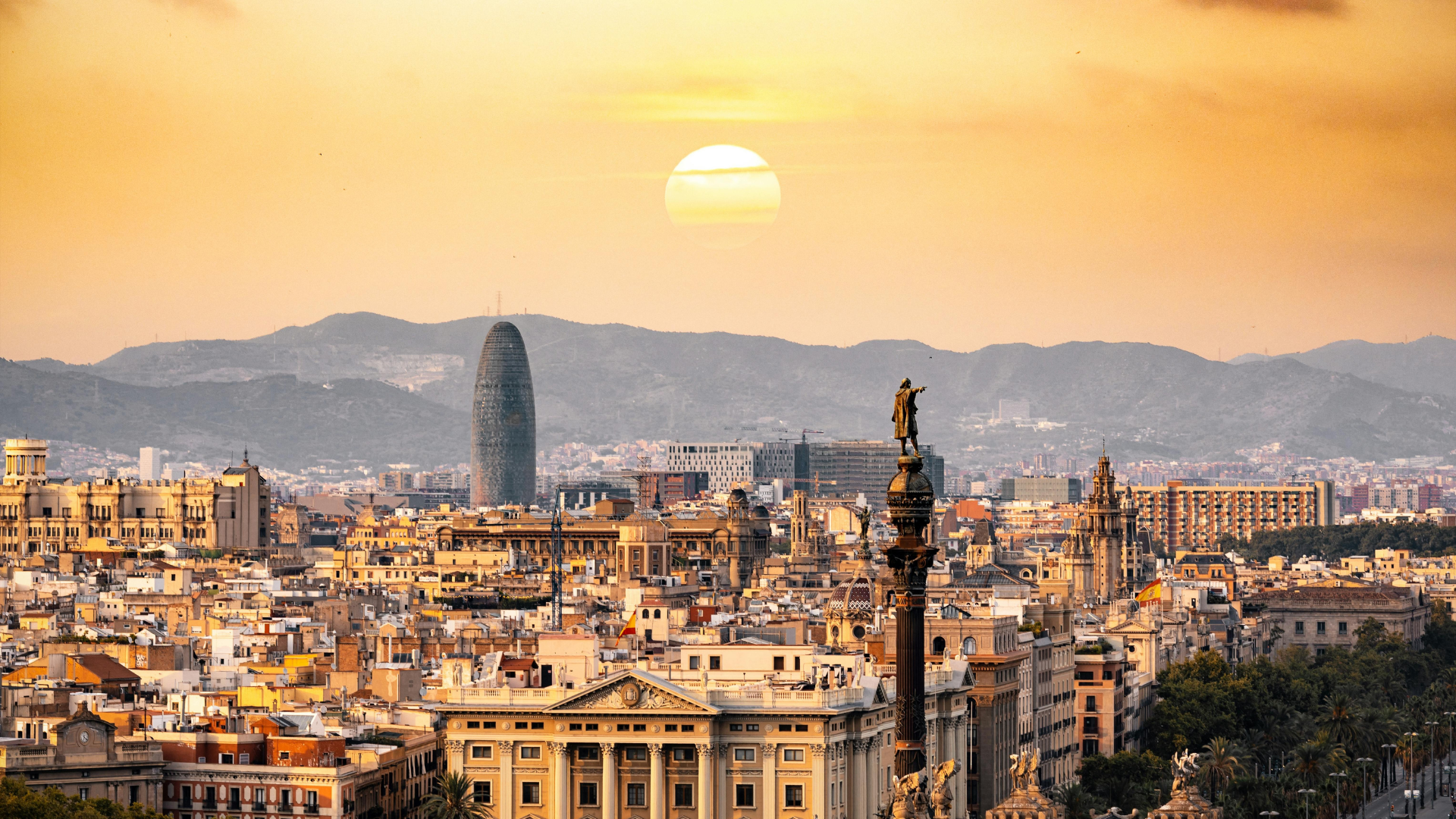
Albarracín, Spain
Albarracín is the kind of place most people have never heard of, even if they’ve visited Spain many times. Tucked into the hills of Aragon, it feels remote without being isolated, small without feeling insignificant.
At first glance, it appears simple. Narrow streets, faded stone, soft pink‑toned buildings pressed closely together, it looks like a town you might explore in an afternoon. What you don’t expect is how deeply it settles into you.
There is a stillness in Albarracín that feels intentional. Sound carries differently here, footsteps echo on stone, bells drift through the valley at their own pace. Nothing asks for your attention, which makes everything feel worth noticing, time stretches, not because there is nothing to do, but because nothing is rushing you forward.
You leave Albarracín feeling like you’ve stepped briefly into another rhythm of life, one that was never meant to impress but quietly insists on being remembered.
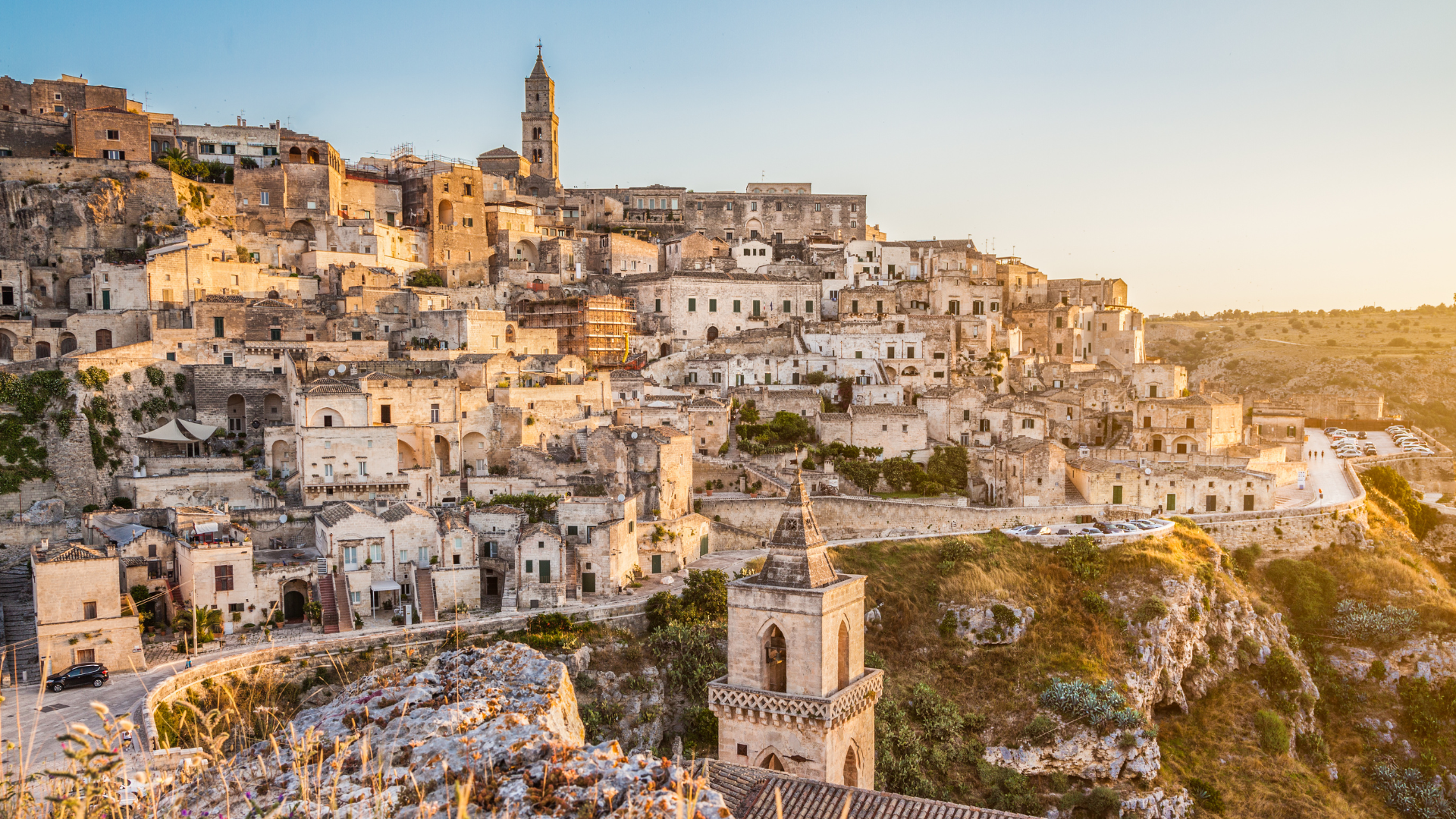
Matera, Italy
Matera often surprises people, not because of what it offers immediately, but because of how long it stays with them afterwards. On arrival, it can seem stark… Stone dominates everything: stone streets, stone houses, stone steps carved directly into the landscape.
But as the day progresses, the city begins to breathe.
Matera is one of the oldest continuously inhabited places in Europe, and that history is not presented behind glass, it is lived in. As the light changes, warmth replaces severity, windows glow, voices drift through narrow paths, you become aware not only of where you are, but of everyone who has been here before you.
There is a humility in Matera. It doesn’t overwhelm you with beauty, it grounds you in time. You don’t simply visit Matera. You experience it gradually, and by the time you leave, you realise how rare that feeling has become.
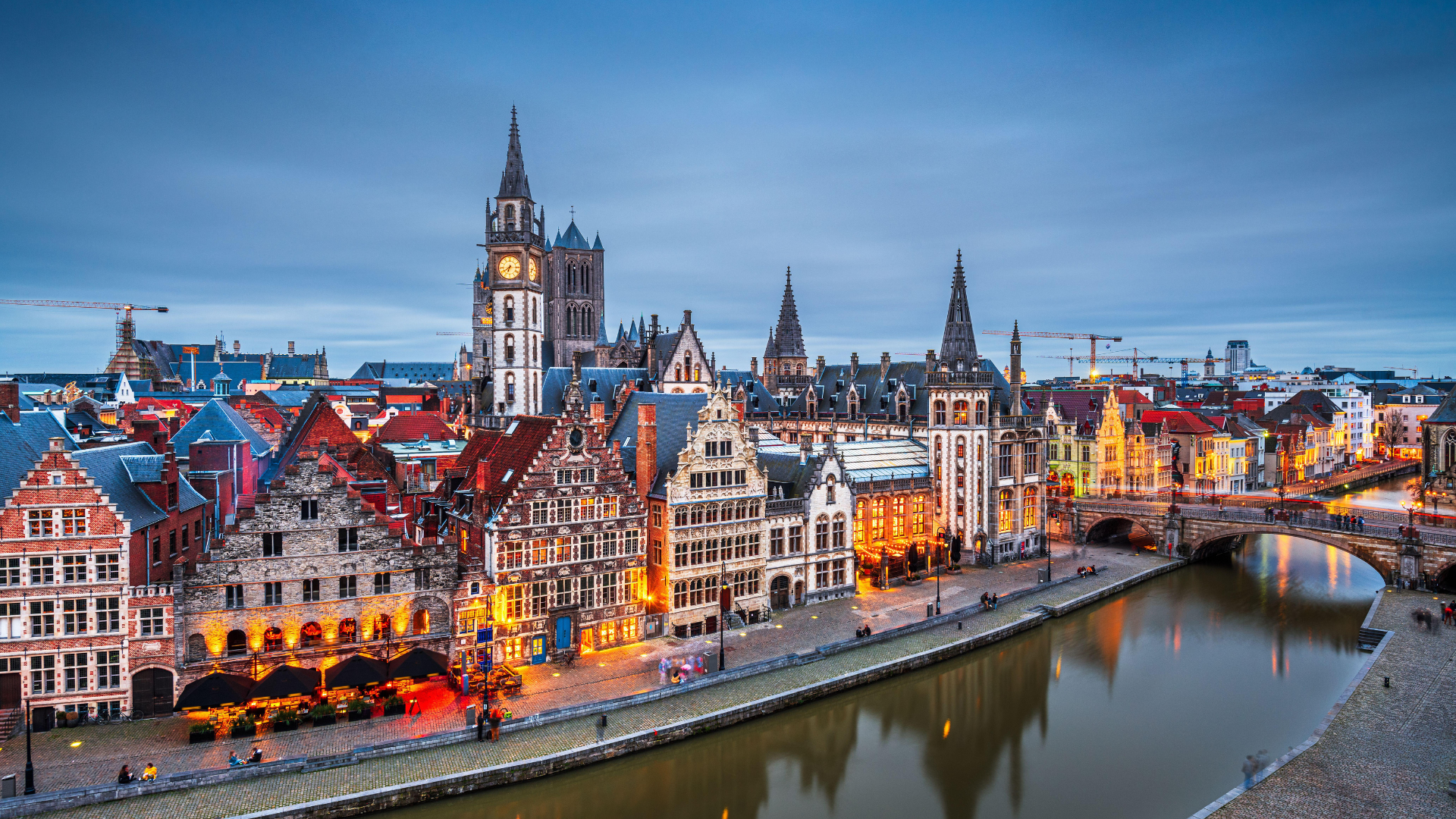
Ghent, Belgium
Ghent lives quietly between better‑known Belgian cities, often overlooked by travelers who assume it will feel similar to somewhere they’ve already been, that assumption rarely lasts long.
What makes Ghent remarkable is how effortlessly its history fits into modern life. Medieval buildings are not preserved as exhibits, they are part of the everyday landscape. Students cycle past centuries‑old structures and ocals gather along canals that feel lived in rather than staged.
There is beauty everywhere, but nothing demands your attention. The city allows you to wander without expectation and without pressure, instead of checking off sights, you drift, that drift turns into discovery.
Ghent feels comfortable in itself, and that feeling transfers to you, it is a place where you stop feeling like a visitor and begin to feel simply present.
The Alentejo, Portugal
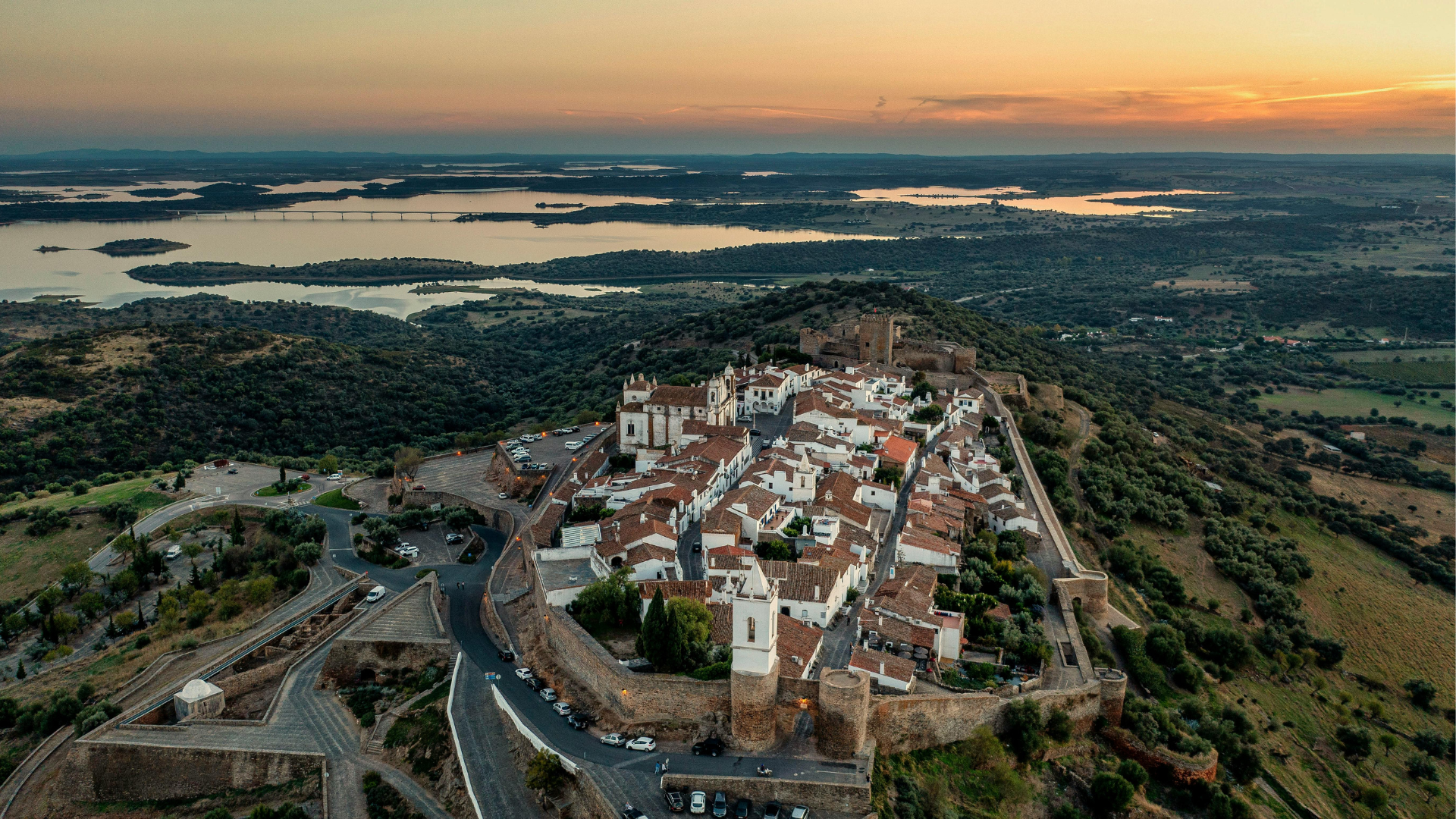
The Alentejo does not announce itself as a destination, it stretches quietly across southern Portugal, defined by open landscapes, small villages, and a pace of life that feels increasingly rare.
For some travelers, it might initially seem empty. There are no crowded attractions or tightly packed itineraries, instead, there is space. Space in the land. Space in the days. Space in the mind.
Gradually, that space becomes the experience, meals last longer, conversations deepen and you start to notice the light, the silence, the way villages gather themselves around simple rituals. Nothing feels curated, and nothing is rushed.
The Alentejo reminds you that stillness is not the absence of experience, but a different kind of richness. Many travelers leave realising that what they enjoyed most was precisely the lack of pressure to keep moving.
Why These Places Stay With Us
What connects these destinations is not how they look, but how they feel once you’ve spent time in them, none of them rely on spectacle. They don’t overwhelm you with landmarks or demand that you keep moving, instead, they offer something rarer: the chance to settle in, observe, and experience a place as it is lived, not performed.
These are places that don’t impress you instantly but work more slowly, growing familiar before they grow meaningful, often, it’s only after you’ve returned home that you realise how deeply they affected you. You remember the pace of the days, the simple routines, the moments that didn’t seem important at the time but have stayed with you nonetheless.
Travel like this asks for a different mindset, it rewards curiosity over certainty and patience over urgency and reminds us that some of the richest experiences don’t come from chasing highlights, but from letting a place reveal itself naturally.
The destinations that feel ordinary before a trip often become the ones we carry with us the longest, not because they were extraordinary in obvious ways, but because they allowed us to slow down, pay attention, and feel genuinely present. And in the end, those are often the journeys that matter most.
📞
Contact Us
?? Email us for the latest offers
🏖️ Or drop into your local office and start planning today!